
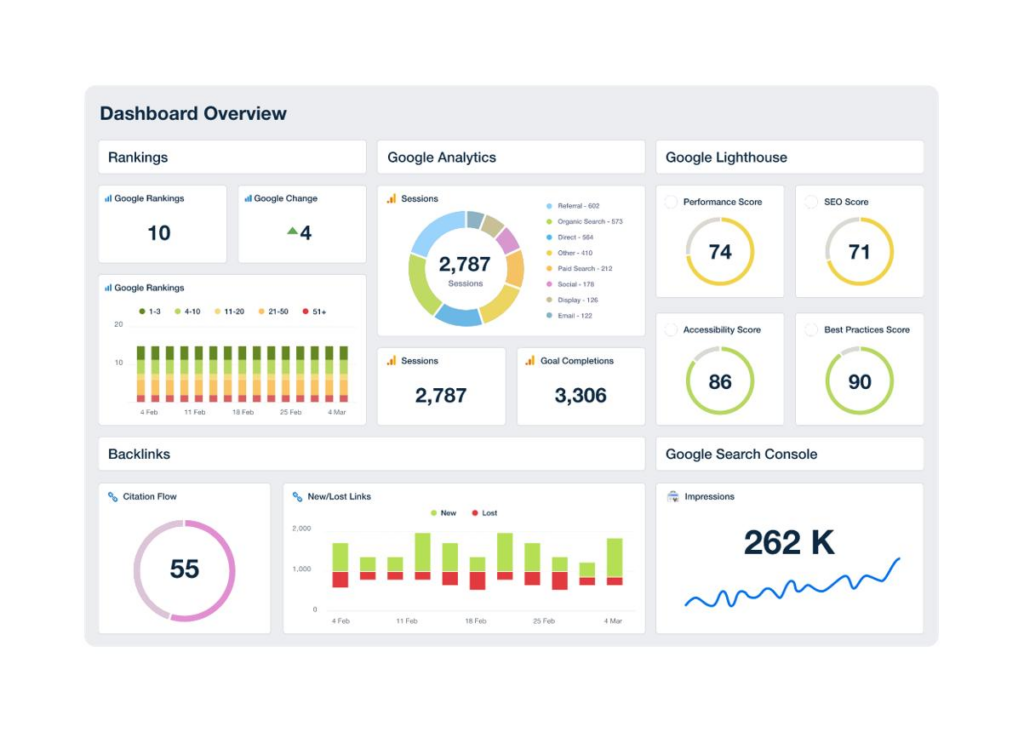
Search Engine Optimization (SEO) has become one of the most powerful digital marketing strategies for businesses that want to grow online. Every day, millions of users search on Google for products, services, and information. Therefore, if your website does not appear on the first page of search results, you are likely missing valuable traffic, leads, and sales.
However, ranking on Google is no longer about stuffing keywords into your content. Instead, modern SEO focuses on providing valuable information, creating an excellent user experience, and building trust with both users and search engines. Moreover, Google’s algorithms continue to evolve, rewarding websites that deliver helpful, relevant, and high-quality content.
Whether you own a small business, run an eCommerce store, manage a blog, or offer professional services, implementing the right SEO strategies can significantly improve your online visibility. Furthermore, consistent optimization helps build long-term organic traffic without relying entirely on paid advertising.
In this comprehensive guide, you’ll discover 10 proven SEO strategies that can help your website rank higher on Google in 2026 and beyond.
1. Perform Comprehensive Keyword Research
Keyword research is the foundation of every successful SEO campaign. Before creating content, you must understand exactly what your audience is searching for.
Instead of targeting only highly competitive keywords, focus on long-tail keywords that have clear search intent. These keywords generally have lower competition while attracting visitors who are more likely to convert.
For example:
- Digital marketing services
- Best SEO company in Mumbai
- SEO tips for beginners
- Google ranking strategies
- Local SEO services
Additionally, identify informational, commercial, and transactional keywords to cover every stage of the customer journey.
Best Practices
- Focus on search intent.
- Target long-tail keywords.
- Analyze keyword competition.
- Include location-based keywords.
- Update keyword research regularly.
2. Create High-Quality, Helpful Content
Google prioritizes websites that genuinely help users solve problems. Therefore, your content should answer questions clearly, provide actionable insights, and demonstrate expertise.
Moreover, longer, well-structured articles often perform better because they cover topics in greater depth. However, quality should always come before quantity.
Your content should include:
- Detailed explanations
- Practical examples
- Original insights
- Statistics when appropriate
- FAQs
- Images and infographics
Furthermore, avoid duplicate or AI-generated content that lacks originality. Instead, focus on creating unique resources that users will want to share.
3. Optimize Your On-Page SEO
On-page SEO helps Google understand your content more effectively.
Every page should include optimized elements such as:
Title Tag
Include your primary keyword naturally.
Example:
10 Proven SEO Strategies to Rank Higher on Google
Meta Description
Write a compelling summary that encourages users to click.
Headings
Use proper heading hierarchy:
- H1
- H2
- H3
URL Structure
Keep URLs short and descriptive.
Example:
yourwebsite.com/seo-strategiesAdditionally, include keywords naturally throughout your content without overusing them.
4. Improve Website Speed
Website speed is an important Google ranking factor.
A slow website increases bounce rates because visitors become frustrated and leave before the page loads completely.
Therefore, optimize your website by:
- Compressing images
- Using browser caching
- Choosing reliable hosting
- Removing unnecessary plugins
- Minifying CSS and JavaScript
Furthermore, faster websites create a better user experience, which can improve engagement and conversions.
5. Make Your Website Mobile-Friendly
Today, most searches happen on mobile devices.
Consequently, Google uses mobile-first indexing, meaning it primarily evaluates the mobile version of your website.
Your website should have:
- Responsive design
- Fast mobile loading
- Easy navigation
- Readable fonts
- Clickable buttons
- Optimized images
Additionally, test your website on different devices to ensure a seamless experience for every visitor.
6. Build High-Quality Backlinks
Backlinks remain one of Google’s strongest ranking signals.
When reputable websites link to your content, Google views your website as trustworthy and authoritative.
Effective backlink strategies include:
- Guest blogging
- Digital PR
- Resource page outreach
- Creating shareable guides
- Infographics
- Industry partnerships
However, avoid buying backlinks or participating in link schemes because these practices can result in penalties.
Instead, focus on earning links naturally through exceptional content.
7. Optimize for Local SEO
If your business serves a specific area, local SEO is essential.
Local SEO helps your business appear in:
- Google Maps
- Local search results
- “Near me” searches
To improve local rankings:
- Optimize your Google Business Profile.
- Use location-specific keywords.
- Collect customer reviews.
- Add local business schema.
- Maintain consistent business information across directories.
Moreover, local SEO often delivers highly qualified leads because users are actively looking for nearby services.
8. Enhance User Experience (UX)
Google wants users to enjoy browsing your website.
Therefore, user experience directly impacts SEO performance.
Improve UX by:
- Creating clear navigation
- Using readable typography
- Reducing pop-ups
- Improving internal linking
- Adding engaging visuals
- Keeping layouts clean
Furthermore, encourage visitors to explore multiple pages because higher engagement signals can positively influence rankings.
9. Optimize Images for SEO
Images make content more engaging. However, they also need optimization.
Best practices include:
- Compress image sizes
- Use descriptive filenames
- Add keyword-rich alt text
- Choose modern formats like WebP
- Implement lazy loading
Additionally, optimized images can rank in Google Images, bringing extra traffic to your website.
10. Monitor SEO Performance Regularly
SEO is an ongoing process rather than a one-time task.
Therefore, continuously monitor your performance to identify opportunities for improvement.
Track important metrics such as:
- Organic traffic
- Keyword rankings
- Click-through rate (CTR)
- Bounce rate
- Page speed
- Conversion rate
- Backlinks
Furthermore, analyze your competitors to discover new keyword opportunities and content ideas.
Regular SEO audits help identify technical issues before they negatively affect your rankings.
Common SEO Mistakes to Avoid
Even experienced marketers sometimes make SEO mistakes. Therefore, avoid these common errors:
- Keyword stuffing
- Duplicate content
- Broken links
- Slow-loading pages
- Ignoring mobile optimization
- Poor internal linking
- Missing meta descriptions
- Thin or low-quality content
- Neglecting technical SEO
- Failing to update old content
By avoiding these mistakes, you can maintain a healthy website that performs well in search results.
Why SEO Is a Long-Term Investment
Unlike paid advertising, SEO continues delivering results long after your content is published. Although rankings may take time to improve, the long-term benefits are substantial.
Moreover, organic traffic often converts better because users are actively searching for information, products, or services. As your website gains authority, it becomes easier to rank for competitive keywords and attract even more visitors.
Consequently, businesses that invest consistently in SEO build a sustainable source of traffic, leads, and revenue without depending solely on paid campaigns.
Final Thoughts
Ranking higher on Google requires patience, consistency, and a well-planned strategy. Although SEO is constantly evolving, the core principles remain the same: create valuable content, optimize your website, and provide an excellent user experience.
By implementing these 10 proven SEO strategies, you can improve your search rankings, attract more qualified visitors, and grow your business organically. Furthermore, combining keyword research, high-quality content, technical optimization, backlink building, and local SEO creates a strong foundation for long-term success.
Remember that SEO is not about finding shortcuts or quick wins. Instead, it is about building trust with both your audience and search engines over time. Therefore, continue monitoring your performance, updating your content, and adapting to Google’s latest best practices.
If you stay consistent and focus on delivering real value, your website will be well-positioned to achieve higher rankings, increased traffic, and sustainable business growth in 2026 and beyond.